About the Program
The B.Sc Textile and Fashion Design at MIT Vishwaprayag University is a studio-intensive undergraduate program that bridges the worlds of material science, creative design, and fashion systems — preparing students to become versatile design professionals for India's rapidly growing textile and fashion industry. We believe every student carries untapped potential that cannot be unlocked by textbooks alone. Here, material science meets storytelling, tradition meets innovation, and sustainability meets high fashion.
Student ideas don't just stay in sketchbooks — they come alive through textile labs, draping studios, pattern-making workshops, sustainable material experiments, fashion shows, brand collaborations, and intensive mentor guidance. The faculty are trained to teach, critique, inspire, and recognise not only the student you are today but the designer, innovator, entrepreneur, or trendsetter you are becoming. The curriculum covers the full spectrum — from fibre science and fabric construction to garment draping, fashion illustration, surface design, print development, and collection creation.
MIT Vishwaprayag University's B.Sc Textile and Fashion Design graduates are equipped for careers across fashion design, textile development, garment merchandising, retail buying, sustainable fashion, costume design, fashion styling, and design entrepreneurship — with the creative and technical foundation to make an immediate impact in India's ₹10 lakh crore textile and apparel sector, as well as the global fashion industry.
Be a Bahumukhi
The Bahumukhi philosophy at MIT Vishwaprayag University transforms every B.Sc Textile and Fashion Design graduate into a multi-dimensional creative professional who operates at the intersection of craft, culture, commerce, and sustainability. A Bahumukhi fashion and textile designer does not merely follow trends — they set them. They understand fibres at a scientific level, design at an aesthetic level, and position their work at a commercial level. They combine the hands-on mastery of a craftsperson, the conceptual vision of an artist, the analytical precision of a material scientist, and the entrepreneurial drive of a brand builder.
We cultivate in our graduates the ability to work across the full spectrum of the fashion and textile ecosystem — from sourcing sustainable fabrics and developing innovative surface treatments, to building coherent collections, managing garment production, and launching original fashion labels. Whether designing for a luxury couture house, leading the sustainable textiles division of a global brand, working as a creative director at a fashion magazine, or launching an independent fashion label, our graduates enter every professional space not merely qualified but genuinely prepared for the creative and commercial challenges ahead.
Program Specialisations
Students choose from three specializations in the advanced years of the program — each built around dedicated studio courses, live design briefs, and industry-linked projects — creating a distinctive creative career pathway aligned to the most in-demand areas of India's textile and fashion economy.
Program Objectives
- Build a comprehensive foundation in design principles, fashion history, textile science, and creative problem-solving applicable across the fashion and textile industries.
- Develop technical proficiency in garment construction, draping, pattern-making, fashion illustration, surface design, and textile development processes.
- Cultivate material intelligence — an in-depth understanding of fibres, fabrics, dyeing, printing, finishing, and sustainable material alternatives for responsible fashion practice.
- Provide deep specialization expertise through three tracks — Material Science, Fashion Design, and Textile Design — each aligned to industry demand and career pathways.
- Deliver real-world creative exposure through live studio briefs, industry collaborations, fashion shows, internships, and mentorship from practicing fashion and textile professionals.
- Foster entrepreneurial thinking — enabling graduates to launch independent fashion labels, design studios, or sustainable fashion ventures with a strong commercial and creative foundation.
- Prepare graduates for design, merchandising, styling, buying, and creative leadership roles across India's fashion, textile, retail, and luxury industries.
Program Highlights
Dedicated textile labs with state-of-the-art equipment for fabric testing, dyeing, surface treatment, and material experimentation
Draping and pattern-making studios where students construct garments from concept to finished wearable piece each semester
Sustainable fashion and eco-textile curriculum integrated across all years — from natural dyes to upcycled fabric construction
Strategic industry-research partnerships with leading textile manufacturers, fashion brands, and design organizations
Annual fashion show and design exhibition showcasing student collections to industry professionals, buyers, and media
Fashion illustration, CAD for fashion, and digital design tools training integrated alongside hands-on studio practice
Expert faculty with experience from leading fashion institutions and active practice in the Indian and international fashion industry
Portfolio development, internship placements, and career preparation for roles across fashion design, merchandising, and retail
Course Curriculum
Semester 01
Semester 02
Semester 03
Semester 04
Semester 05
Semester 06
Eligibility
Academic Criteria
- 10+2 pass out from any stream / any board
- Minimum 45% aggregate marks (40% for reserved categories)
- Any recognized board qualifies — science, arts, or commerce
Entrance / Selection
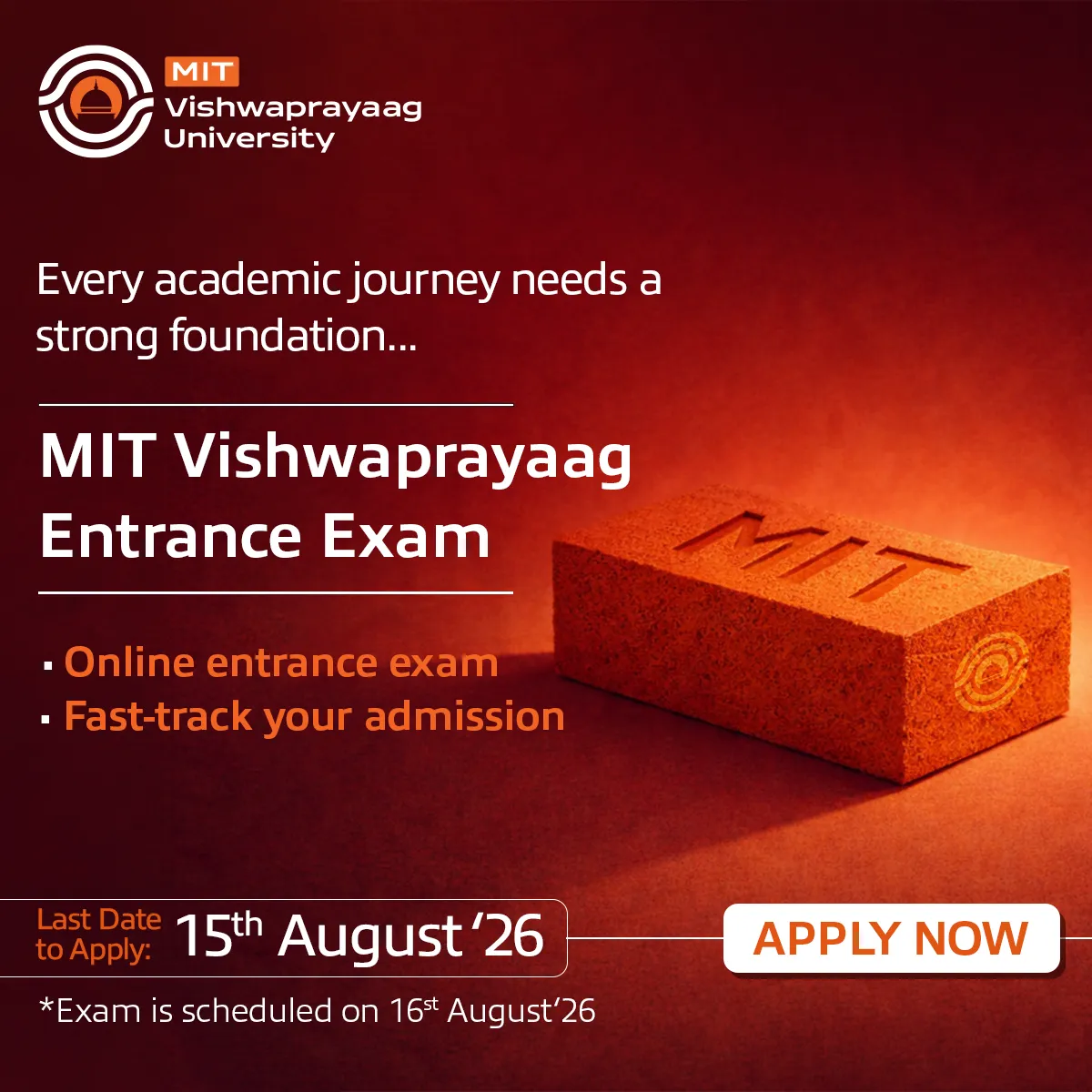
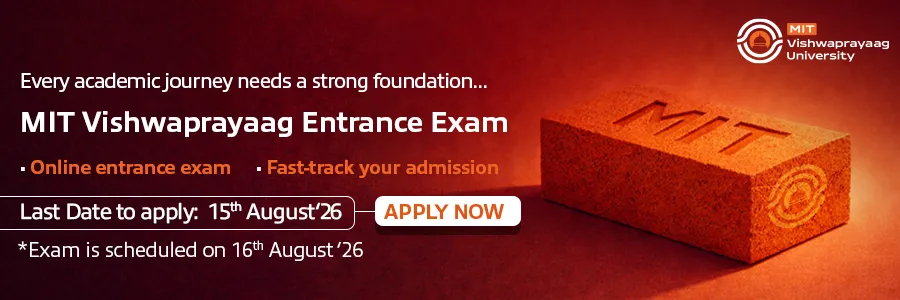
- MIT Vishwaprayag University Entrance Exam 2026-27
- Assessment of creative aptitude and design sensibility
- Personal interview round for shortlisted candidates
Admission Process
- Apply online at application.mitvpu.ac.in
- Submit entrance exam scorecard and 10+2 marksheets
- Pay application fee of ₹1,000 online
Documents Required
- Class 10 & 12 Marksheets and Passing Certificate
- MIT VPU Entrance Exam Admit Card / Scorecard
- Aadhaar Card and Caste Certificate (if applicable)
- Design Portfolio (if required as part of selection process)
Program Outcomes (POs & PSOs)
Career Opportunities
B.Sc Textile and Fashion Design graduates from MIT Vishwaprayag University are equipped for creative and technical roles across India's dynamic fashion, textile, apparel, retail, and lifestyle industries — as well as the global fashion economy.
Fashion Designer / Apparel Designer
Textile Designer / Surface Design Specialist
Fashion Stylist / Editorial Stylist
Garment Merchandiser / Fashion Buyer
Sustainable Fashion Consultant / Eco-Textile Developer
Costume Designer (Film, TV & Theatre)
Fashion Illustrator / Technical Designer
Brand Designer / Fashion Label Manager
Textile Technologist / Quality Control Specialist
Trend Forecaster / Fashion Researcher
Fashion Photographer / Creative Director
Fashion Entrepreneur / Independent Label Founder
Fees Structure
The fee structure for the B.Sc Textile and Fashion Design program at MIT Vishwaprayag University is approved as per the Fee Fixation Committee norms and Maharashtra government regulations. Tuition fees are structured on a per-year basis. The exact fee amount may vary each academic year based on official notifications.
MIT Vishwaprayag University offers merit-based scholarships and fee concessions for eligible students. Women candidates and students from reserved categories may be eligible for additional fee concessions. Easy installment payment options are available to support students across all economic backgrounds.
For detailed fee and scholarship information, visit www.mitvpu.ac.in/admissions or contact our admissions helpdesk.
Events & Student Life
Student Testimonials
The Fashion Design specialization gave me far more than technical skills — it gave me a design language. The draping studio, the live collection brief we executed for a Pune-based label, and the annual fashion show experience made me feel like a professional designer before I even graduated. My internship converted into a full-time offer at a Mumbai boutique brand.
Nisha Patil
B.Sc 2024 · Fashion Designer at a Mumbai Boutique Label
I came from a science background and wasn't sure a fashion design program would accept me — but that was the first thing that surprised me. The Material Science specialization was the perfect bridge. Understanding fibres at a technical level while designing with them creatively was unlike anything I'd experienced. I now work in sustainable textile development for an export house.
Aishwarya More
B.Sc 2024 · Textile Developer at a Textile Export House
The Textile Design specialization opened my eyes to the incredible depth of Indian textile traditions and how to bring them into contemporary contexts. The surface design lab and the natural dyeing workshop were transformative. My graduation collection — inspired by Warli motifs reimagined in modern silhouettes — won a regional design award and helped me secure a position at a heritage craft brand.
Priyanka Shinde
B.Sc 2023 · Textile Designer at a Heritage Craft Brand
The School of Design is a place where your creativity is constantly challenged, supported, and celebrated. The faculty pushed us to think beyond aesthetics — to understand sustainability, commercial viability, and storytelling as equal parts of good design. I launched my own sustainable fashion label in my final year and already have wholesale orders from three boutiques across Maharashtra.
Sneha Jadhav
B.Sc 2024 · Founder, Sustainable Fashion Label