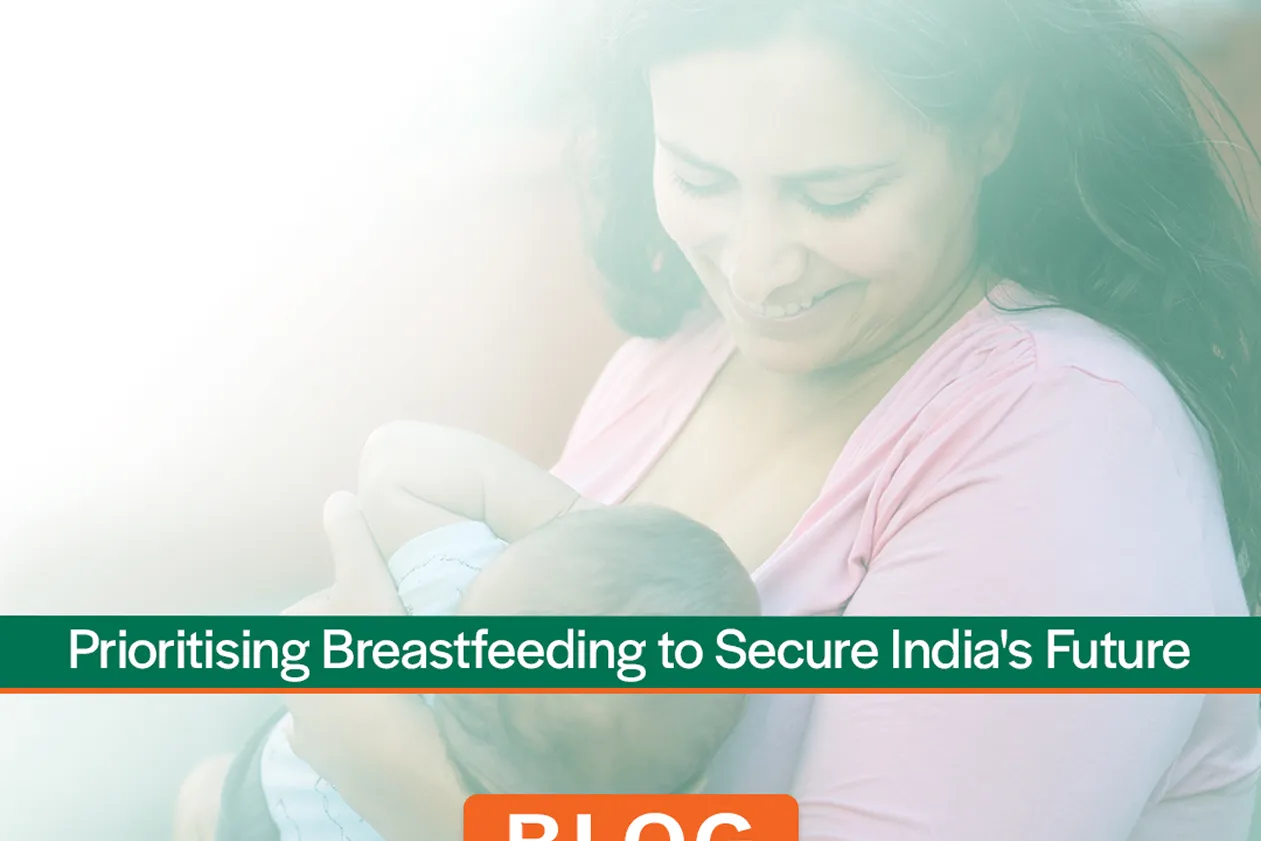
Prioritising Breastfeeding to Secure India’s Future
Healthy Beginnings, Hopeful Futures
World Breastfeeding Week, spanning from August 1st to August 7th, is a global awareness initiative by WHO. Breastfeeding helps build immunity, reducing the risk of infection. Remarkably, around 20% of newborn deaths can be avoided by breastfeeding within just one hour of birth.
The Crisis of Malnutrition in India
According to the National Family Health Survey (NFHS), Indian child malnutrition remains a severe challenge. The figures indicate an urgent need for intervention:
- 30%+ of children exhibit undernutrition due to stunting.
- 20% of children are wasted (thin for their height).
- 32% of children are underweight for their age.
Optimal breastfeeding acts as a primary defense, supplying vital nutrients and immune support to fight these alarming rates.
Long-term Health and Economic Gains
Breastfeeding is an investment in human capital. It offers significant advantages that extend into adulthood:
- For the Mother: Reduced risk of non-communicable diseases (NCDs) like breast cancer.
- For the Child: Reduced incidences of obesity, diabetes, and improved cognitive abilities.
- For the Family: Robust savings on healthcare by reducing hospitalizations for pneumonia and diarrhoea.
Current Statistics & The Road Ahead
While India has made strides, there is still work to be done. Currently, only 40% of infants are breastfed within the first hour of life, which is below the WHO target of 50%. Furthermore, only 11% of children aged 6 to 23 months receive a diet according to their specific needs.
To improve these outcomes, we must empower grassroots workers:
- Strengthening Anganwadi centres as information hubs.
- Comprehensive training for ASHA workers in breastfeeding support.
Conclusion: An Investment in Our Nation
Promoting breastfeeding is not merely a health intervention; it is a primary strategy for preventing malnutrition and ensuring a productive, educated workforce for India’s future.
References:
WHO World Breastfeeding Week 2025 |
UNICEF Infant & Young Child Feeding |
The Lancet Breastfeeding Series